Varun sitting at his desk, turning to look at your cursor

Principal Product Engineer

Varun
Suryawanshi

I design and build the interfaces behind complex automation, from research to release.

Leading automation UI at Infinx

On the desk

Selected work

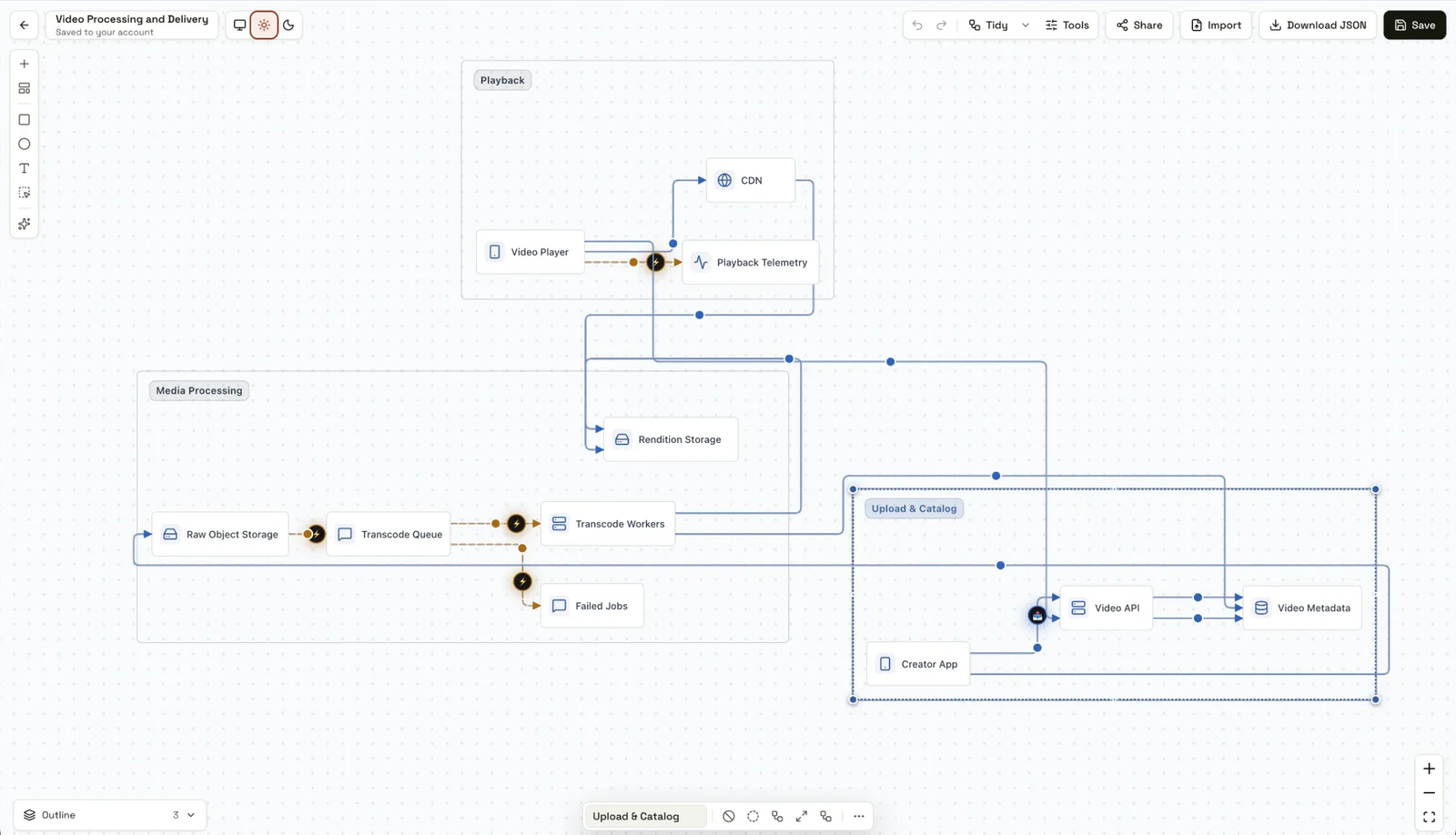
  • The HLD Lab diagram editor: a video processing and delivery design with Playback, Media Processing and Upload & Catalog groups, their components joined by auto-routed lines.

    Personal · live, free

    HLD Lab

    A system design workbench where the diagram actually runs: send a traffic spike through it and a deterministic simulator in a Web Worker shows where requests queue, time out and fail. The canvas lays itself out, sharing is enforced by Postgres row-level security, sign-in supports passkeys, and the AI assistant runs on your own key, straight from the browser.

    Next.js · React Flow · ELK · Supabase · Web Workers

    Visit hldlab.varunsuryawanshi.in (opens in a new tab)
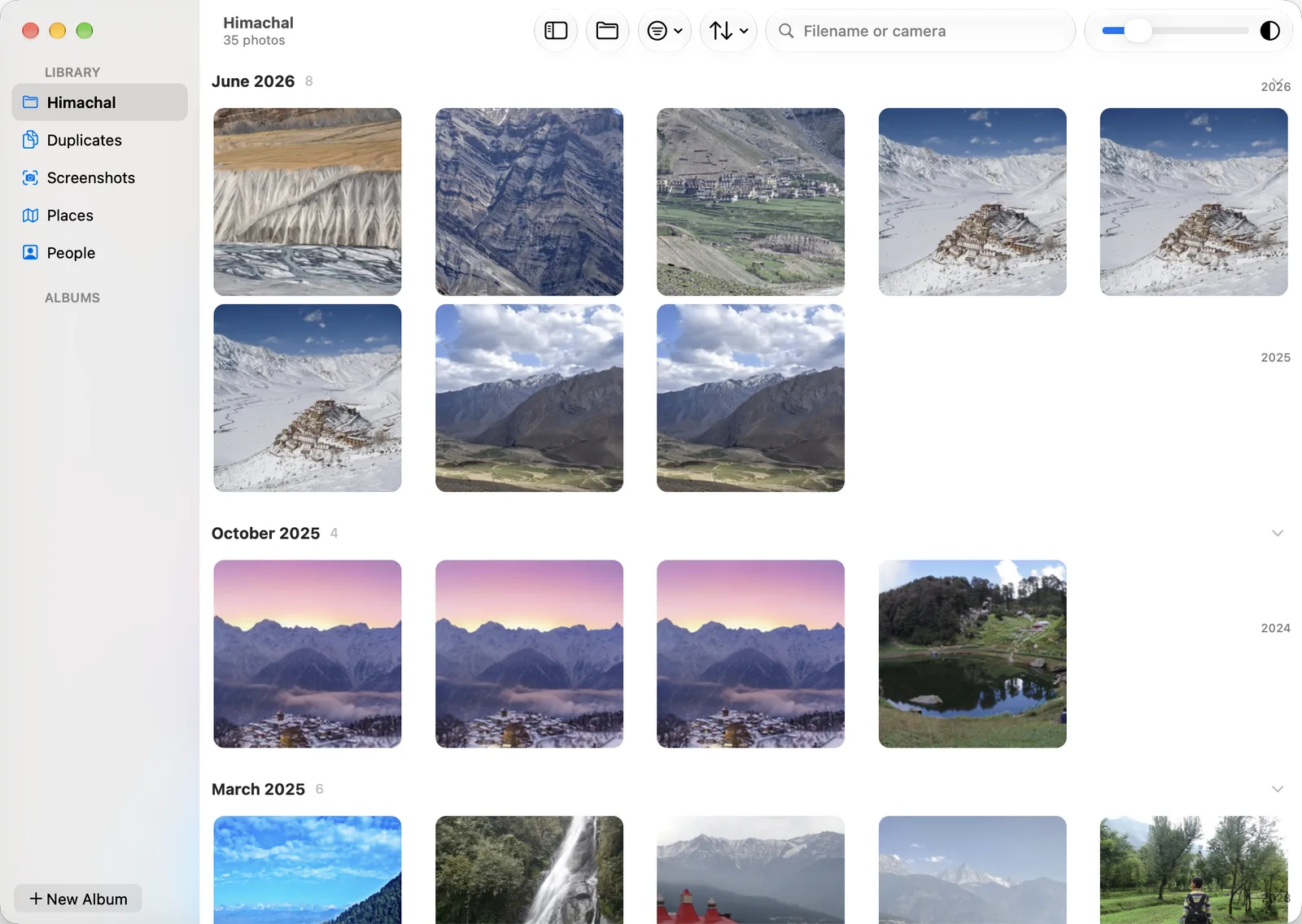
  • PhotoV showing a folder of Himachal landscapes grouped by month, with Duplicates, Screenshots, Places and People in the sidebar and a year scrubber on the right.

    Personal · macOS · built for myself

    PhotoV

    A fast, native photo viewer in the spirit of Picasa. Point it at a folder and it never touches the originals: edits are stored as settings, thumbnails are cached on disk, and the grid stays quick on big libraries. It finds near-duplicates, groups photos by person on-device and puts the geotagged ones on a map.

    Swift · AppKit · ImageIO · Vision · SQLite

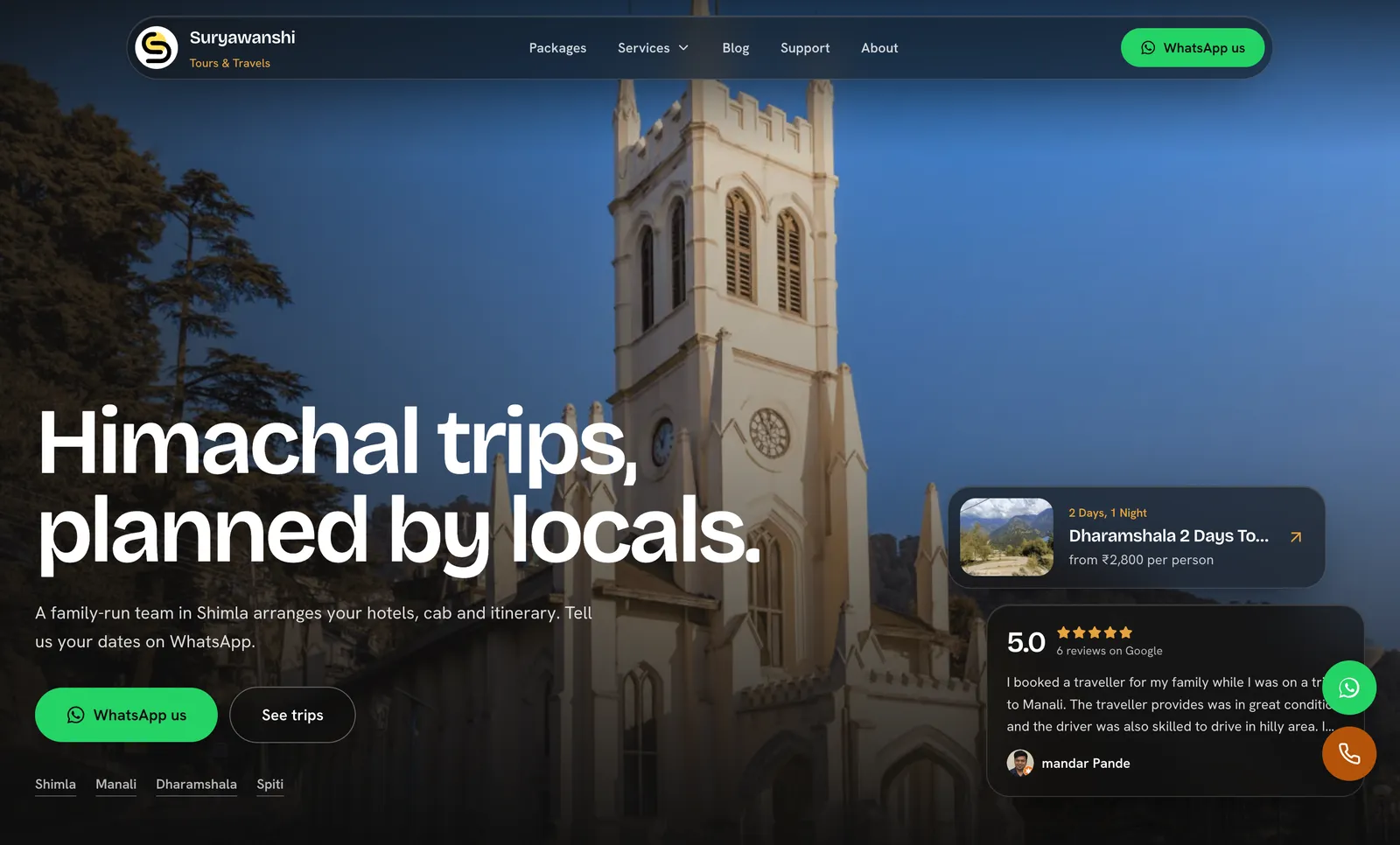
  • The suryawanshitravels.com home page: Christ Church in Shimla at dusk under the headline “Himachal trips, planned by locals.”, with a tour package and a Google review alongside.

    Family business · live

    Suryawanshi Tours & Travels

    Everything my family's travel agency in Shimla runs on: a server-rendered site with eight destination guides and priced tour packages, an admin for packages, photos and blog posts, and a phone-first lead tracker built to replace the per-trip spreadsheets.

    Next.js · MongoDB · ImageKit · PWA · Vercel

    Visit suryawanshitravels.com (opens in a new tab)

Plus 13 years of client apps, internal tools and prototypes that never went public. And this site: how the room was built →

On the screen

Code, up close

Five small pieces from things I’ve built. Each one is here because it solved a real problem, not because it’s clever.

This site · src/components/room/gaze.ts
/** Continuous target angles for a pointer position: eases into the limits rather than clamping hard. */
export function targetFor(x: number, y: number, stage: Box) {
  const dx = (x - (stage.left + stage.width * FACE.x)) / stage.width;
  const dy = (y - (stage.top + stage.height * FACE.y)) / stage.width;
  return { yaw: MAX_YAW * Math.tanh(dx / REACH.x), pitch: MAX_PITCH * Math.tanh(dy / REACH.y) };
}

const snap = (v: number, max: number) => Math.max(-max, Math.min(max, Math.round(v / STEP) * STEP)) || 0; // || 0 drops -0

/** The grid frame nearest to an angle. */
export const frameFor = (yaw: number, pitch: number) => nameOf(snap(yaw, MAX_YAW), snap(pitch, MAX_PITCH));

Why the head at the top turns smoothly instead of snapping: tanh eases the angle into its limits, and the nearest of 77 pre-rendered poses is shown.

  1. Line 4: Divided by the stage width, not its height, so a pixel counts the same across and up-down.
  2. Line 5: tanh never quite reaches 1: the head eases into its 20° limit instead of hitting a wall.
  3. Line 8: Snaps to the 4° grid the poses were generated on, clamped at the edges.

On the whiteboard

How I build

The order I take a feature through, from the first question to calling it done.

  1. The problem, before the feature

    First the actual problem statement: why this feature is needed, and what it will solve. If that isn’t clear, nothing after it will be.

  2. Prototype, then code

    Sized to the job. A small change can go straight to code; anything bigger gets a prototype first, while mistakes are still cheap.

  3. Edge cases at design time

    The negative and edge scenarios get written down while designing, so the feature is built for them instead of patched for them later.

    Lesson learned: I used to leave testing for the end. Thinking about what goes wrong while designing turned out to make better features.

  4. AI does the heavy lifting

    I orchestrate Claude and Codex and act as their harness: the problem, the constraints and the checks come from me; the heavy lifting comes from them.

  5. Tested in layers

    Unit tests for the logic, end-to-end automation for the flows, and a manual pass for the things only a person notices.

  6. Done means as planned

    Done is when the original requirement and the planned solution actually hold up, edge cases included. Not just when it runs.

On the wall

13 years,
4 chapters

NowPrincipal Product Engineer at Infinx · Bengaluru, hybrid

  1. 2013to 2016

    Learning the craft

    Joined SapientNitro as a trainee and grew into an Associate Technology L2, building Java and web applications for clients.

    • SapientNitroTrainee → Associate Technology L22013 – 2016 · Bengaluru
  2. 2016to 2019

    Going mobile

    Moved into mobile and front-end work: hybrid apps with PhoneGap and Cordova, and consumer-facing front ends.

    • SapientRazorfishSenior Developer, Mobile Solutions2016 – 2018
    • WoocationSenior Developer2017 – 2018 · Mohali
    • Alpha NetSenior Mobile Developer2018 – 2019 · Mohali
  3. 2019to 2021

    Leading teams

    Stepped into engineering management at DeepPulse and WITSY, an AI sales-intelligence startup, running teams from planning to release.

    • DeepPulseEngineering Manager2019 – 2020 · Chandigarh
    • WITSYEngineering Manager2019 – 2021 · Chandigarh
  4. 2021to now

    Product engineering

    Five years and three titles at Infinx. The work sits where UI/UX, front-end architecture and automation meet, and runs from early research to shipped product.

    • InfinxSenior Product Engineer2021 – 2023
    • InfinxLead Product Engineer2023 – 2026
    • InfinxPrincipal Product Engineer2026 – now · Bengaluru

Out the window

About

I've spent thirteen years turning complicated workflows into software people are happy to use. Today I'm a Principal Product Engineer at Infinx, leading automation products in healthcare from the first research question to the release.

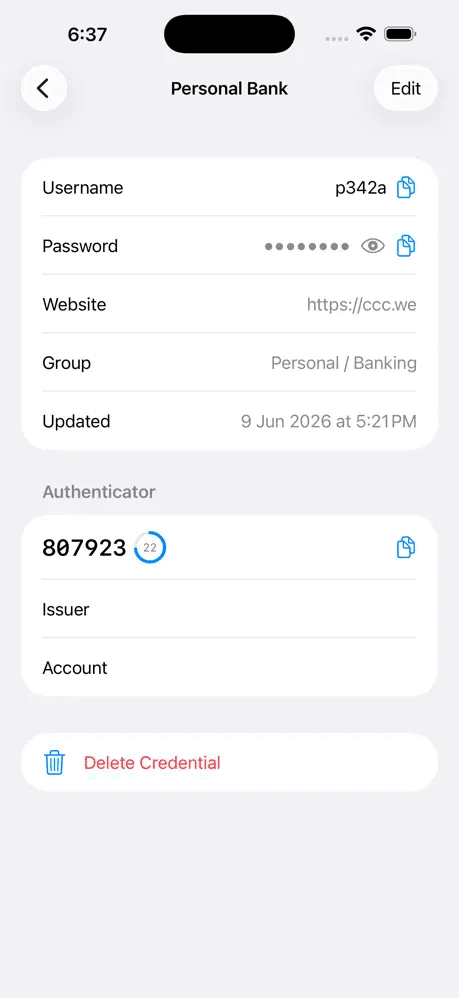
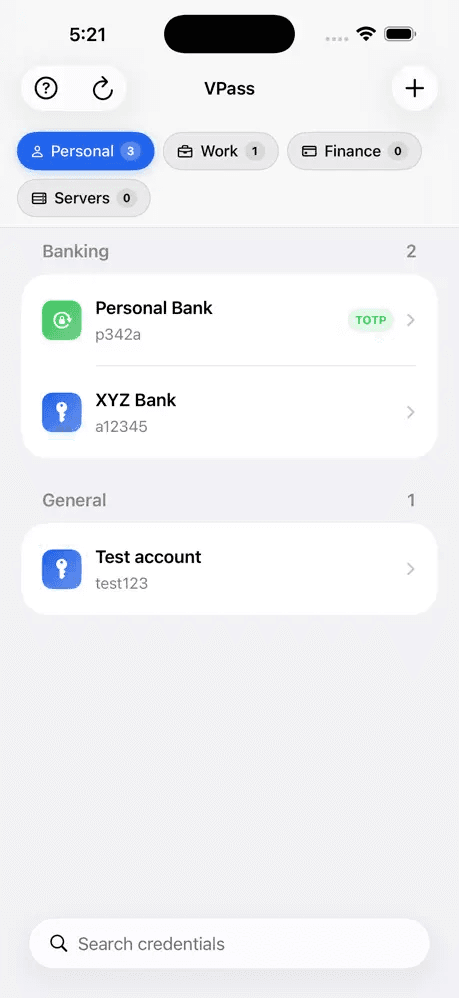
I started as a Java trainee at SapientNitro, moved into hybrid mobile apps, managed engineering teams at WITSY and DeepPulse, and for the last five years have been building product at Infinx, where UI/UX, front-end architecture and automation meet. On the side I ship my own products: VPass is live on the App Store, and I built the website for my family's travel business in Shimla.

“In product engineering, chaos may bring movement, but calm brings direction.”

Front end
React · Next.js · JavaScript · HTML & CSS · Material UI · Base Web · UX
Desktop & browser
Electron · Tauri · Chrome Extensions
Automation
RPA · Attended & unattended bots · Python
Back end
Node.js · Spring Boot · Java
Apple
Swift · SwiftUI · Keychain

Passed LinkedIn skill assessments in JavaScript, React, Node.js, CSS, HTML, Front-end development.

NIT Hamirpur, 2009 – 2013 · Based in Chandigarh, India

Tools I use on a MacBook Pro, M3 Pro

Editors & terminal
VS Code · Xcode · Antigravity · Warp · iTerm
AI
Claude Code · Codex · ChatGPT · Gemini CLI
Design
Figma · Illustrator · Blender
Data & APIs
MongoDB Compass · DBeaver · pgAdmin · Medis · Postman
Ship & run
Docker · Vercel · GitHub CLI · AWS CLI · TestFlight · Parallels
Made here
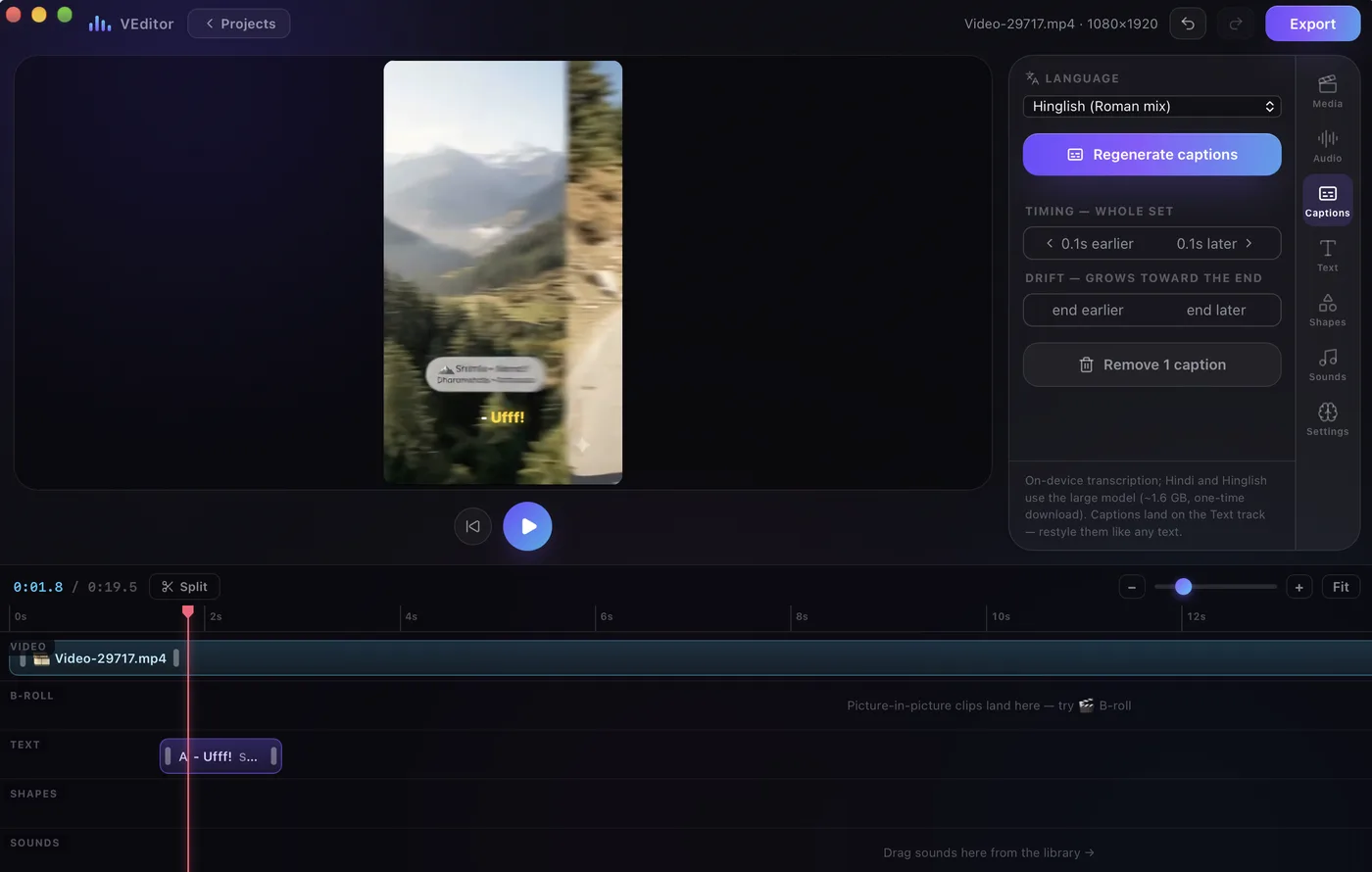
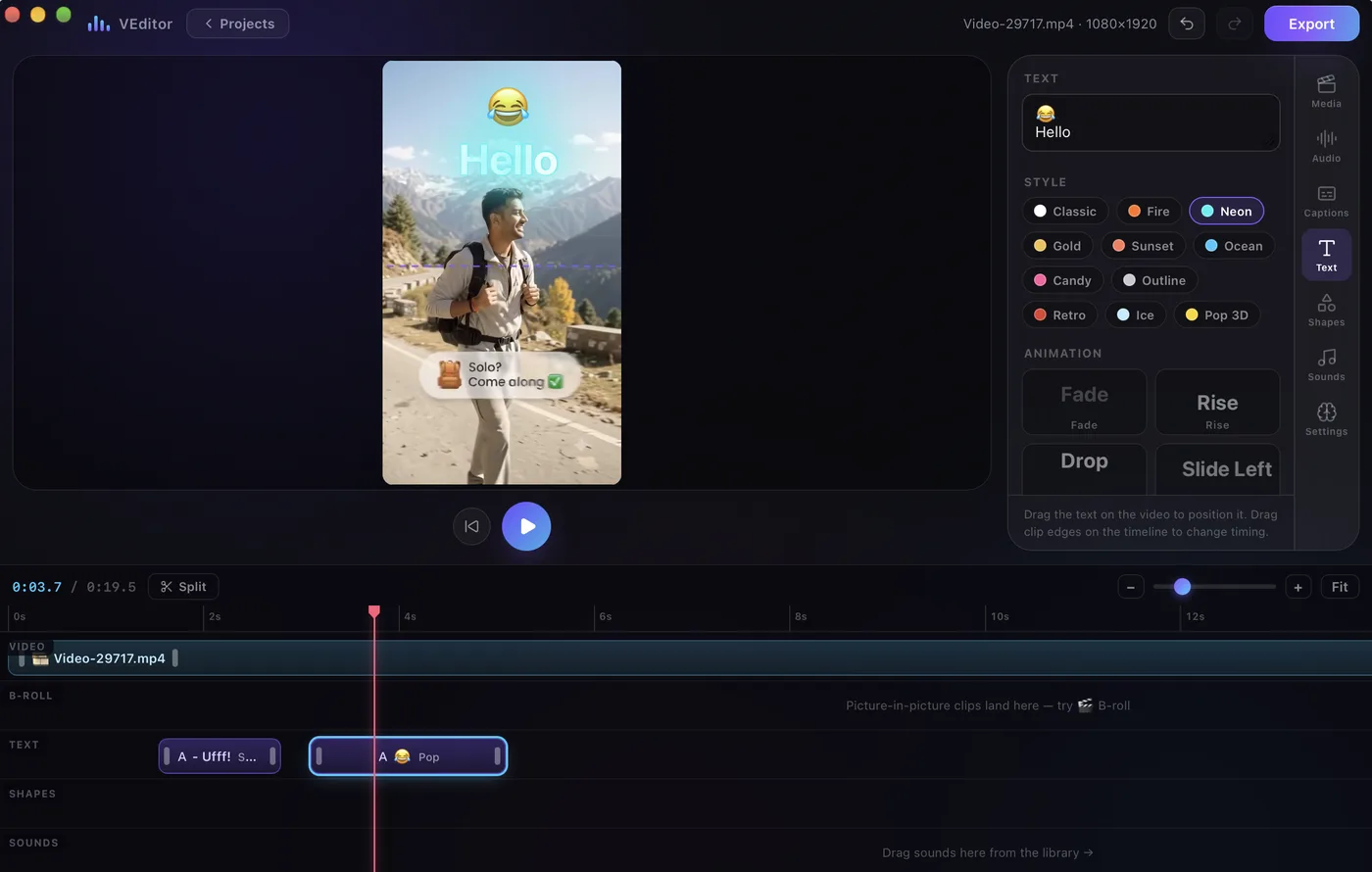
VPass · VEditor

The door’s open

Let’s talk.

I'm not looking for a new role right now, but I'm always happy to talk about product engineering, UI architecture and automation, or to compare notes on building calm software.